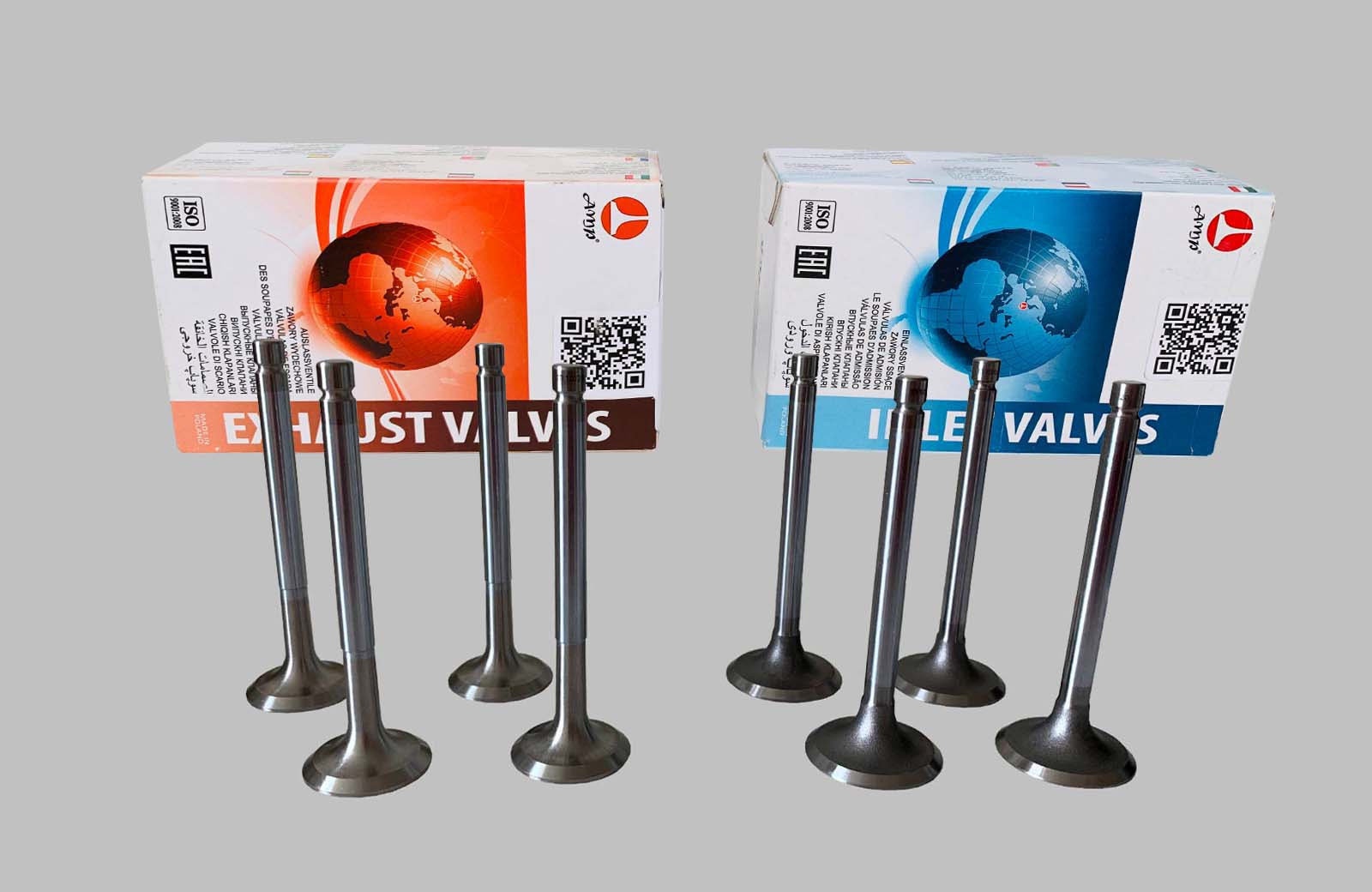

Valve Kit Longlife nitrogen treated reinforced
ProductID 210101007010/12
Net Weight 0.660 kg.
Pack size 13.00 x 8.00 x 8.00 cm.
Volume Weight 0.17 kg.
Availability: In Stock
€91,50Producer

EU
Valve Kit Longlife nitrogen treated reinforced. Tuning
Include:
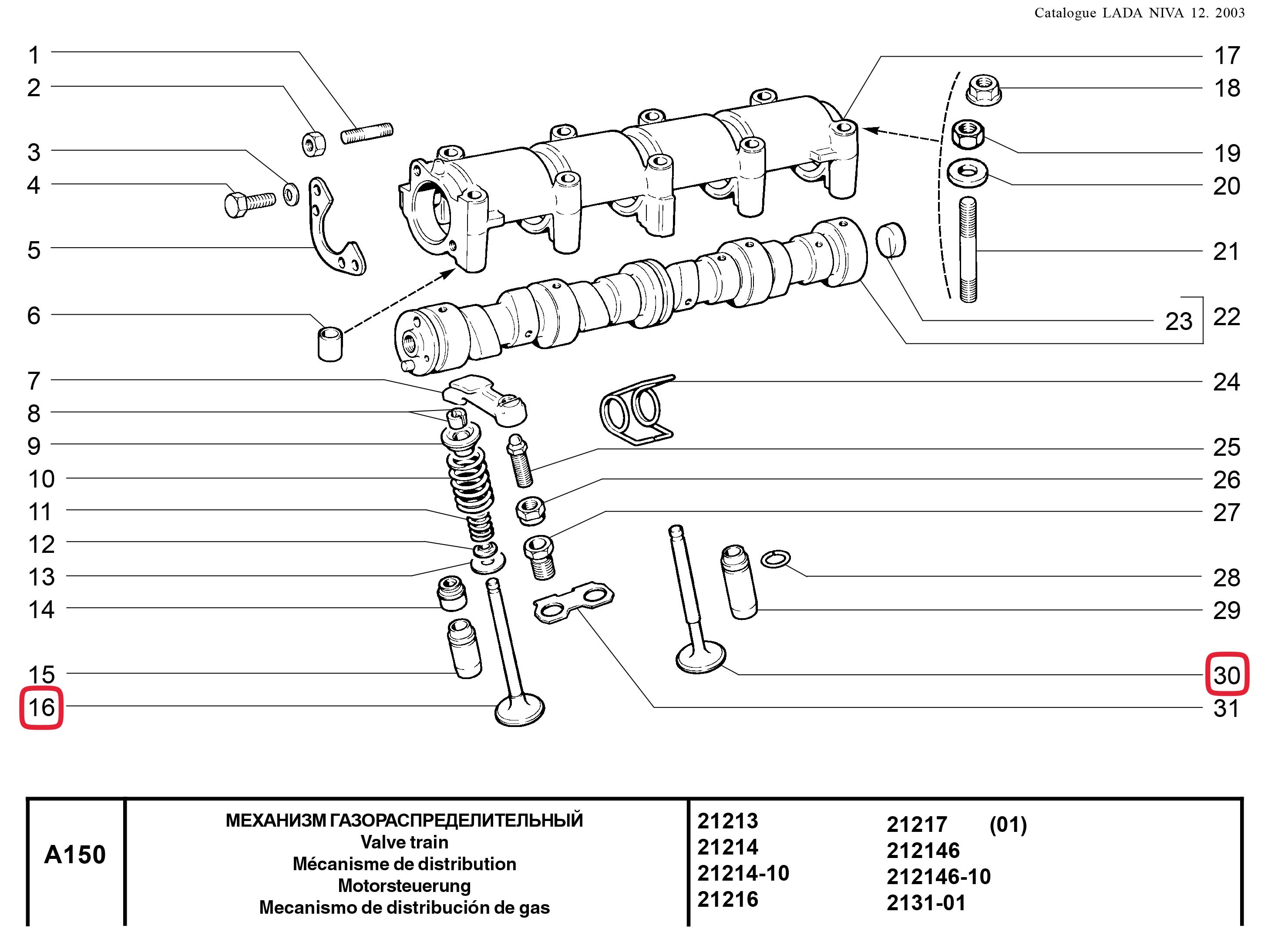
4pcs.- 2101-1007010
4pcs.- 2101-1007012-01
Since 2007, Paradowscy AMP Sp. z o. o. has been marketing plasma-nitrided engine valves using pulsed ion nitriding (PIN) on the domestic and international markets. This process is the most advanced metal nitriding process in the world. It is used for surface treatment of highly stressed machine parts, devices and tools using a glow discharge generated by a pulsating electric field. This process uses the phenomenon of a pulsed discharge in rarefied gases to saturate the metal surface with nitrogen. Ion nitriding is a modern version of gas nitriding, in which ammonia is replaced by nitrogen and hydrogen, creating an environmentally friendly process.
The range of materials that can be hardened using this method is constantly expanding, achieving up to a fivefold increase in durability. Ion nitriding is extremely effective in increasing the wear resistance of nitrided layers. The use of ion nitriding technology in engine valves increases their durability in the valve-stem system and reduces carbon adhesion in the head area. The use of this modern technology improves the overall durability of the valves. The results of testing valve steels in their original state and after nitriding, measured using a linear method, show a more than fivefold reduction in wear values for nitrided steel.
Using plasma ion nitriding technology, we produce valves with high mechanical properties - hardness, wear resistance and abrasion resistance. This technology offers many advantages over the previously used chrome plating and salt bath nitriding, and is also superior in terms of its neutral impact on the environment.
The process is carried out at low temperatures (starting at 400°C, which is one of the many advantages of ion nitriding) and under reduced pressure. The main reason for this process is to achieve high hardness values in the nitrided layers. The temperature range from 400 to 600°C allows for controlled hardening. The highest hardness values are achieved after nitriding in the range of 400–500°C. The nitriding process is carried out in a vacuum chamber at a pressure of 1 to 10 hPa. The part serves as the negative pole of the discharge (cathode), while the walls of the chamber serve as the positive pole (anode). Under the influence of an applied DC voltage (400–700 V), the cathode surface emits electrons, which in the electric field receive the energy necessary to ionize gas molecules. As a result of collisions, the ionized atoms and molecules are accelerated and strike the cathode surface. The bombarding ions knock out iron atoms, alloying elements, carbon, nitrogen and the electrons necessary to maintain a glow discharge. The iron atoms combine with active nitrogen atoms and are deposited on the surface as nitrides, saturating the nearby surface layers with nitrogen by diffusion. Ion nitriding produces nitride layers with a non-porous, single-phase near-surface zone, ensuring uniform physical and chemical conditions. Precise control of the layer structure is possible, which allows efficient processing of large components with high dimensional requirements and ensures long service life
Manufacturer: AMP, Poland
Related items
WEB building by DotPress © 2015 - 2026 version:3.59